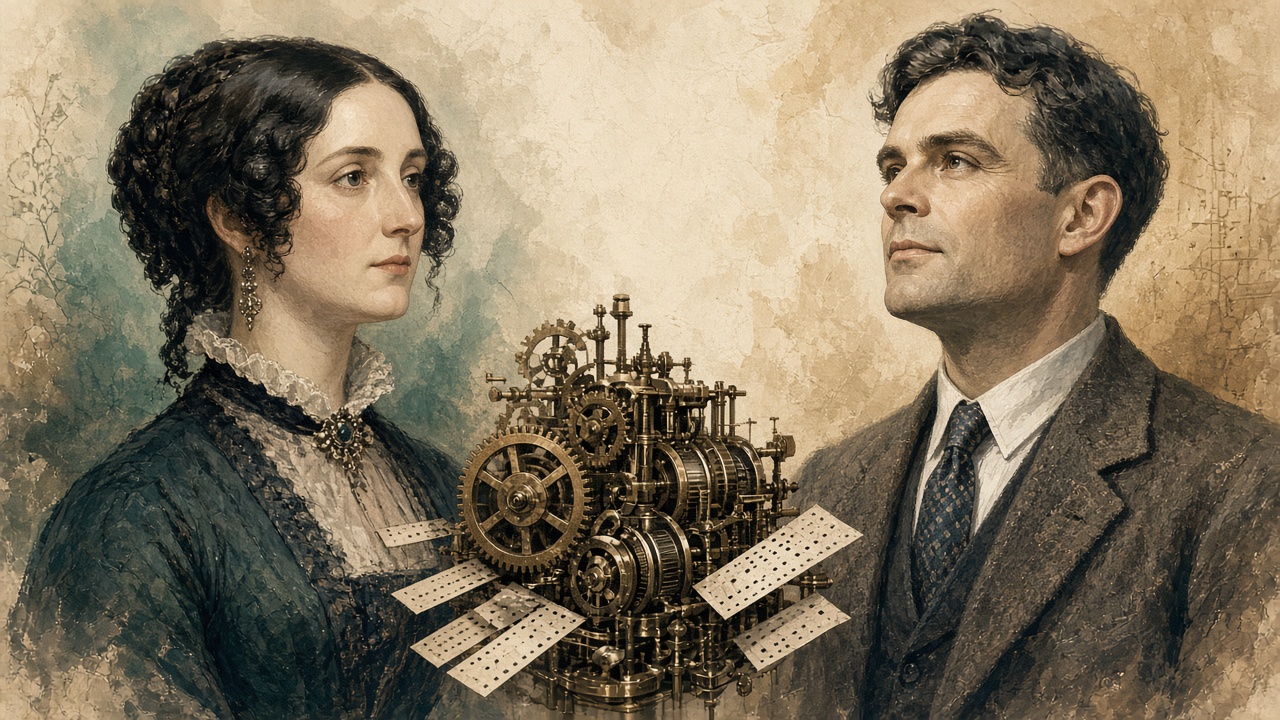
Who surprised you? Lovelace, Turing and the machine
You give a machine a job, put the kettle on, and come back to an answer you did not expect. Who surprised you: the machine, or the you who wrote its instructions?
Select a band for detail
LAST UPDATE: NOV 2026
You give a machine a job, put the kettle on, and come back to an answer you did not expect. Who surprised you: the machine, or the you who wrote its instructions?

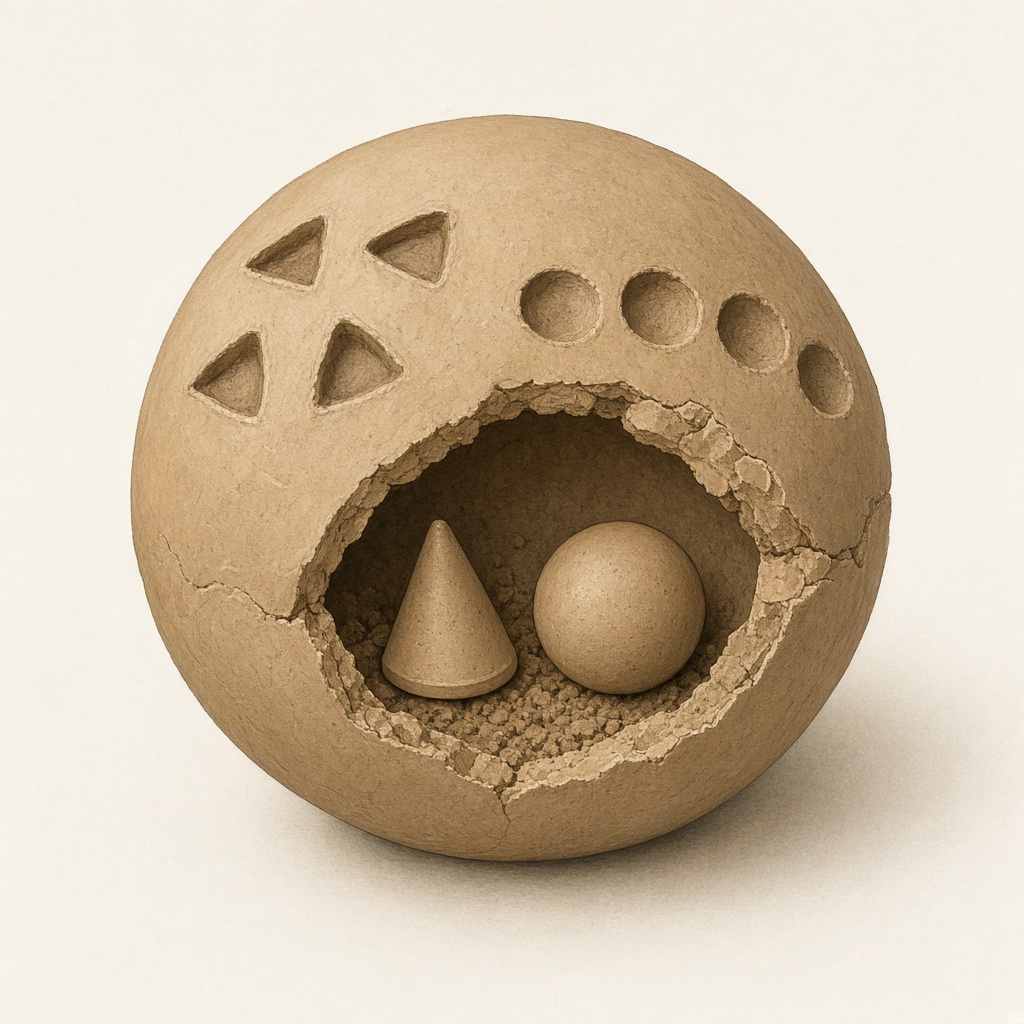
Some of the earliest writing we have isn't poetry or law. It's receipts: the first thing we wrote down, it seems, was who owed what.

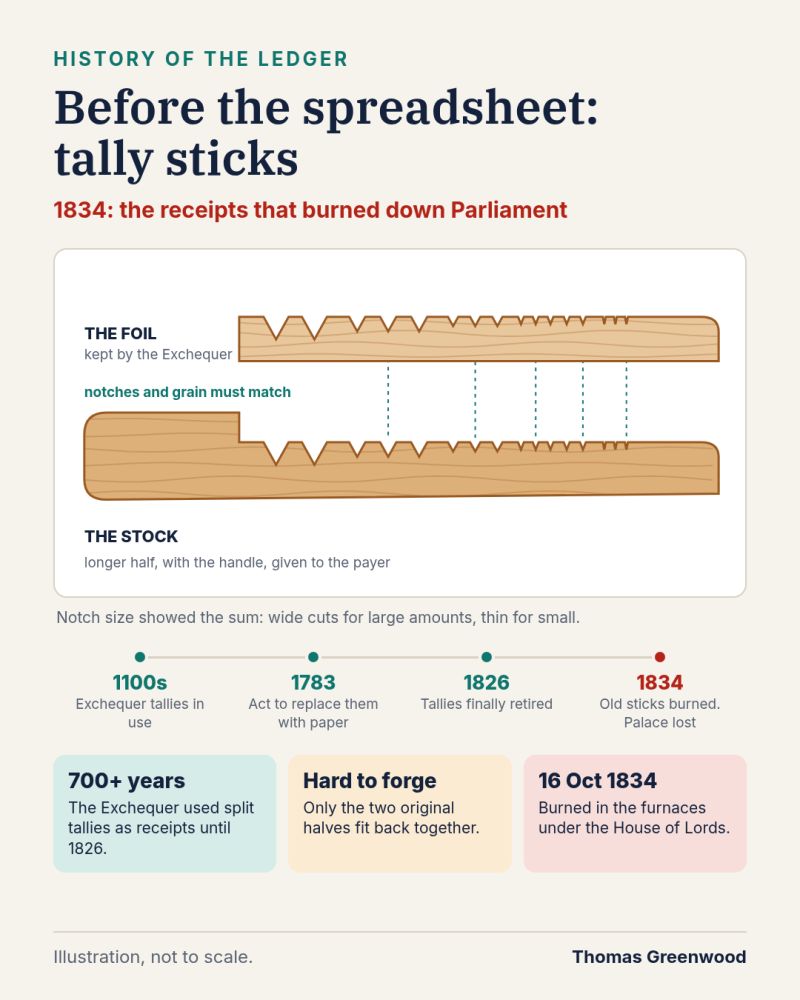
In October 1834, Parliament burned down because someone was clearing out old receipts. The story of the Exchequer's tally sticks, 700 years of split-wood record keeping.

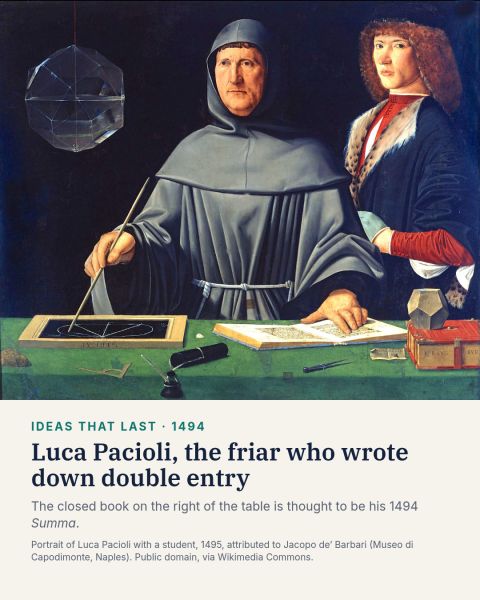
In 1494 a Venetian friar published the earliest known printed treatise on bookkeeping. Five centuries on, double entry still answers the same question: why should anyone believe the record?

I have twelve AI agents helping to run my life. None of them can send an email, post anything or book anything without my say-so, and none of them ever sees anything from my day job.

Regulating AI platform by platform is reactive. Recognising legal ownership of personal identity gives citizens durable control and gives innovators clear rules.

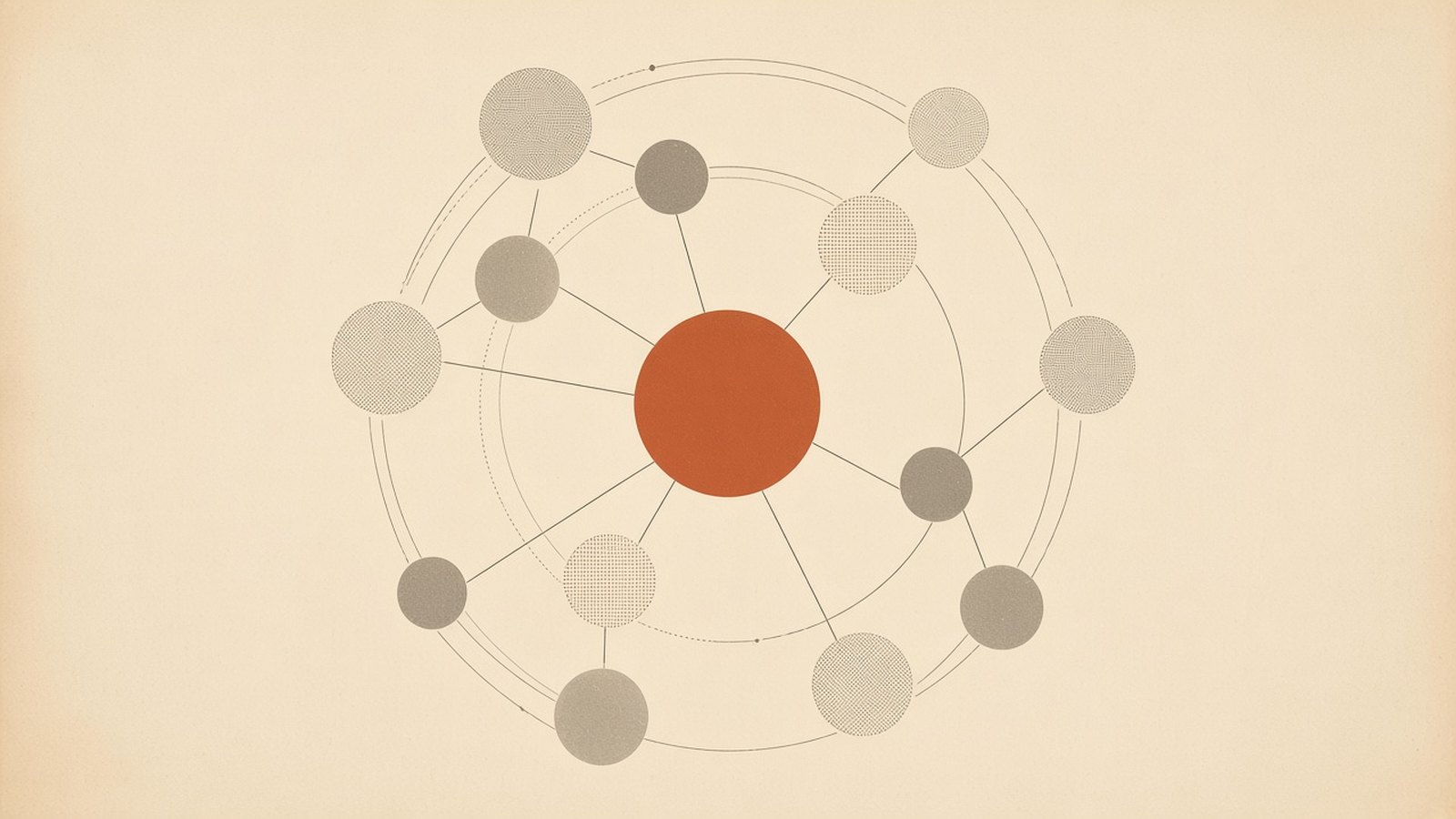
A blueprint for encryption that leaves no reusable patterns, no decipherable metadata, and no pathway for retrospective decryption.